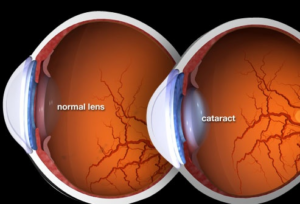
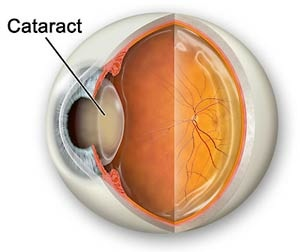
A cataract is a frosting or clouding of the lens inside the eye. The most common cause is ageing, but may be accelerated by diabetes or eye trauma. At the age of 65 almost half the population has developed a early cataract. By the age of 70 almost everyone has developed a cataract.
Cataracts can take anything from a few months to many years to develop. Sometimes the process stops in the early stages and vision is not seriously affected. In other cases, the cataract continues to develop and interferes with vision. Cataracts usually develop in both eyes but they may develop at different rates, so vision in one eye is often significantly better than in the other.
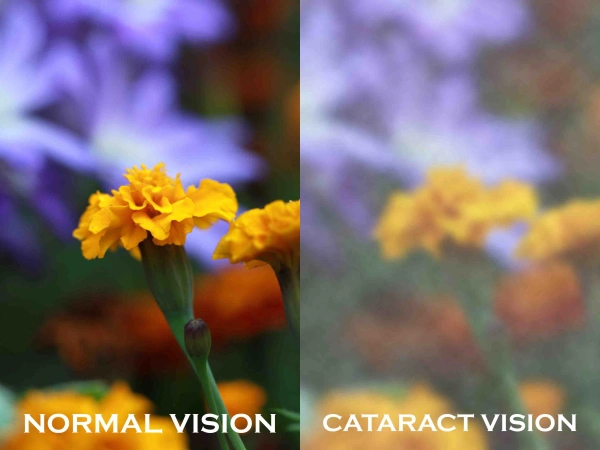
The key symptom is blurred vision that worsens over a period of months or years. Some people notice that things seem dim with one eye and brighter with the other, while printed images may have a ghosted outline. Colours become less distinct and many patients are sensitive to light and glare (e.g. the sun or oncoming headlights). Other signs and symptoms of cataracts may include:
- Poor night vision
- Need for brighter light for reading and other activities
- Frequent changes in eyeglass prescription
Even if other factors, such as glaucoma or age-related macular degeneration, are contributing to sight problems, the removal of the cataract and replacement of the lens should ensure improved vision.
The key to living with cataracts is knowing when it’s time not to live with them anymore. Usually, this happens when your normal lifestyle — reading the morning paper, driving to the local shopping center or seeing the expression on the face of a child or grandchild — is jeopardised by impaired vision.
Cataracts are usually diagnosed during a standard eye examination by a qualified optometrist. If you think that your eyes are affected, go to your optometrist to check. The optometrist can also look for other common eye conditions, such as age-related macular degeneration or diseases that affect the optic nerve (glaucoma).
If you have cataracts, the optometrist will monitor them and advise if and when you might need treatment — people often live with them for many years without needing an operation. There is no set level of dimming of vision before an operation is recommended but if the condition begins to affect your lifestyle or you can no longer meet the legal sight requirements for driving, you should seek help.
Advanced surgical methods make cataract surgery one of the most successful surgical procedures performed today. More than 95 percent of the people who have a cataract removal end up with better vision.
Using microsurgery and local anesthesia, an eye specialist (ophthalmologist) removes the cataract, leaving much of your eye’s natural lens capsule in place. The capsule helps support the clear artificial lens that the surgeon inserts to replace the cloudy lens.
The procedure is usually done on an outpatient basis and takes less than 1 hour. If both eyes are affected, surgery is usually performed on one eye at a time, allowing the first eye to heal before surgery is done on the second one.
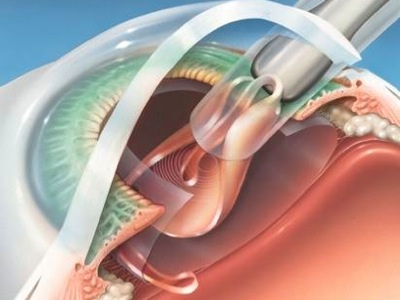
Watch the following video that explains about cataracts and cataract surgery